Lamb dishes have a special place in many cuisines around the world, each bringing unique flavors and cooking traditions. In this blog, we will explore how European, Asian, and Kiwi lamb dishes stand out, showcasing their distinct ingredients, cooking methods, and cultural significance. Join me as we journey through these diverse culinary landscapes!
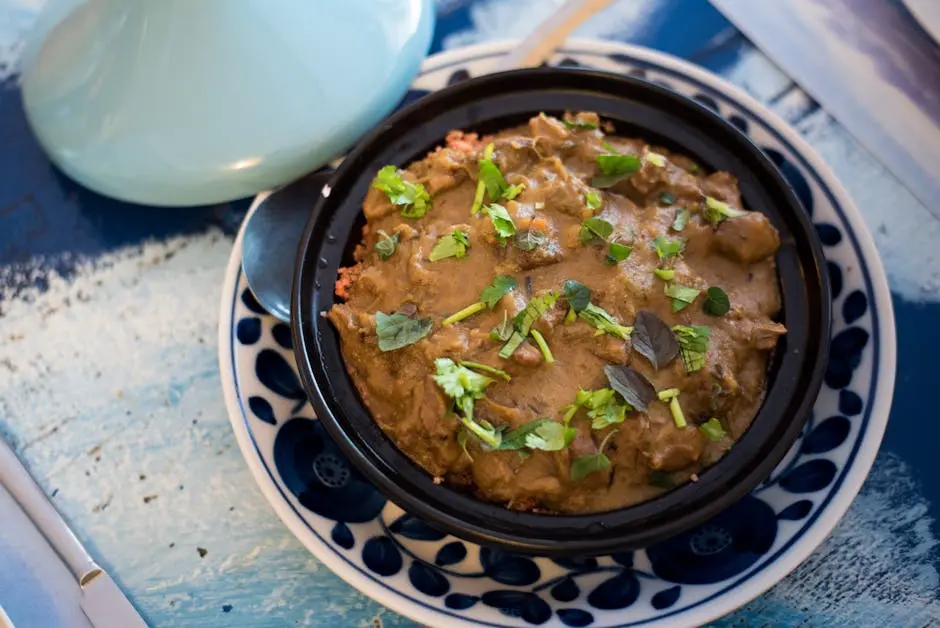
Exploring European Lamb Dishes: Traditions and Flavors
European cuisines offer a delightful array of lamb dishes, each influenced by local traditions and ingredients. From the rich, slow-cooked stews of the UK to the sophisticated flavors of Mediterranean dishes, the approach to lamb is both varied and fascinating.
Take, for example, the classic Greek dish, Lamb Kleftiko. This preparation involves marinating lamb in garlic, lemon, and herbs, then slow-cooking it until it becomes irresistibly tender. The cooking method reflects the Greek love for outdoor gatherings, often served with fresh bread and vegetables, allowing diners to share in the communal experience.
On the other hand, we’ve got the Rabo de Toro from Spain, a dish that sings with tradition. Utilizing the tail of the bull, it often includes lamb as well, showcasing how different parts of meat can be elevated through slow-cooking techniques. Rich with red wine and tomatoes, this dish highlights the robust flavors that European recipes emphasize.
Moreover, French cuisine brings us Navarin d’agneau, a springtime lamb stew that bursts with fresh seasonal vegetables, herbs, and wine. The adoration for lamb in Europe doesn’t just come from the meat itself but from the stories and memories associated with cooking and sharing meals with loved ones.
The Art of Asian Lamb Cooking: Spices and Techniques
In Asia, lamb dishes often explode with spices and bold flavors. Different regions showcase distinct cooking techniques, such as grilling, stir-frying, and slow-cooking, which infuse the meat with robust aromas and tastes. Let’s explore some popular preparations.
One cannot discuss Asian lamb without mentioning Kebabs. In countries like India and Pakistan, marinated lamb is skewered and grilled to perfection, often seasoned with a combination of cumin, coriander, and chili, creating an aromatic delight. This dish not only tantalizes the taste buds but also reflects the cultural significance of communal eating.
In contrast, lamb dishes in the Middle East often showcase techniques like slow-roasting. The famed Mandi from Yemen, for instance, includes marinated lamb cooked over rice with a blend of spices. The meat becomes incredibly succulent as it absorbs the flavors of saffron and cardamom, turning the dish into a fragrant masterpiece.
Further east, in Mongolia, a unique dish, Khorkhog, sees whole lamb cooked in a container with hot stones. This ancient practice not only preserves the natural taste of the lamb but also illustrates how methods vary radically across Asia yet maintain a deep-rooted connection to cultural practices.
Kiwi Lamb: A Taste of New Zealand’s Unique Approach
New Zealand is renowned for its high-quality lamb, and the Kiwi approach to cooking it emphasizes freshness and simplicity. With a focus on local produce and traditional barbecue methods, Kiwi lamb dishes capture the essence of the land and its flavors.
Lamb on a barbecue is practically a national pastime in New Zealand. The popular Lamb Rack is simply seasoned and grilled, often accompanied by seasonal vegetables. Such simplicity allows the natural flavor of the meat to shine, embodying the Kiwi philosophy of enjoying what’s fresh and local.
Another beloved dish is Lamb and Mint Pie, which combines tender lamb with fragrant mint in a flaky pastry. This dish showcases how traditional British recipes have found a New Zealand twist, making it a staple at family gatherings and celebrations. It’s a warm, comforting dish that reflects family traditions and the homey feel of Kiwi cuisine.
Comparative Flavors: What Sets Each Region Apart?
While all three cuisines celebrate lamb, the flavor profiles differ significantly. European dishes may highlight herbs and rich sauces, Asian dishes often utilize bold spices and complex marinades, and Kiwi lamb is characterized by its fresh, clean tastes. Let’s dig deeper into these unique distinctions.
In European lamb dishes, herbs such as rosemary, thyme, and mint take center stage, creating a flavor that is both comforting and sophisticated. These dishes often carry a sense of warmth and nostalgia, inviting diners to ponder the traditions that birthed them.
Conversely, Asian lamb dishes thrive on complexity. The multi-layered flavors come from the use of spices like turmeric, star anise, and paprika. The meat is often marinated ahead of time, absorbing a symphony of flavors that pay homage to the region’s rich culinary history.
Kiwi lamb, however, approaches flavor with an air of simplicity. The emphasis is on the quality of the meat itself, often paired with fresh herbs and seasonal vegetables. This clean taste encapsulates New Zealand’s pristine environment, offering a delightful contrast to the more robust flavors found in Europe and Asia.
Embracing the Diversity of Lamb Dishes
While European, Asian, and Kiwi lamb dishes may differ in flavors and techniques, what unites them is a shared love for this tender meat. Whether you’re savoring a hearty European stew, a fragrant Asian curry, or a fresh Kiwi dish, each plate tells a story that reflects its origin. Embracing these different styles can deepen your appreciation for lamb and broaden your culinary horizons.