
Creating a seasonal menu is an art that celebrates local ingredients and flavors. But how exactly are these ingredients chosen? In this blog, we’ll explore the process of selecting local ingredients for these rotating menus, ensuring freshness and community support while tantalizing your taste buds.
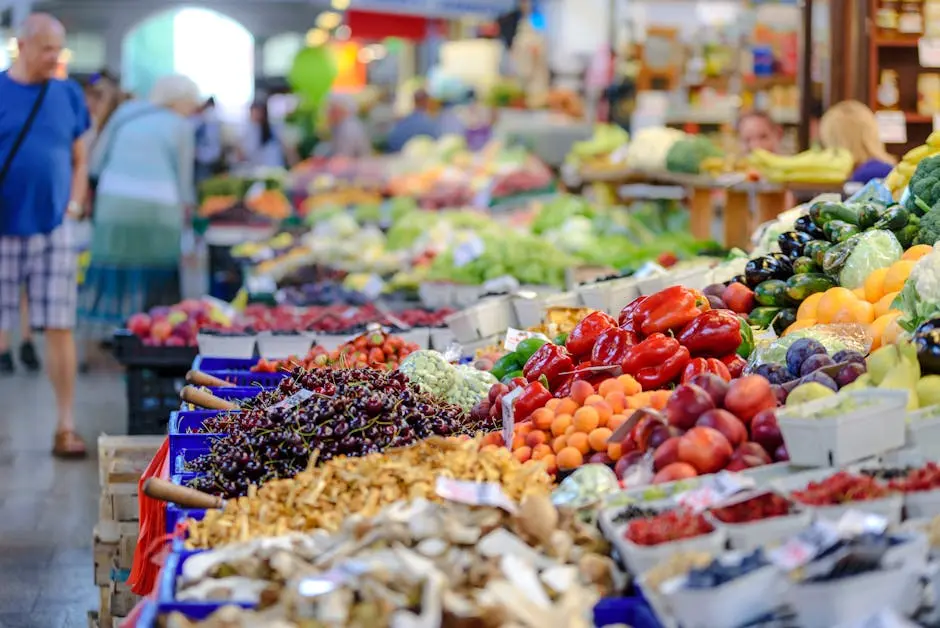
Step 1: Understand Seasonal Availability
Research what ingredients are in season locally to ensure you’re using items that are fresh and at their peak flavor.
Understanding seasonal availability is crucial. Throughout the year, different fruits and vegetables shine in flavor and nutrition. For instance, summer is a delightful time for tomatoes and peaches, while winter features hearty root vegetables.
Seasonal availability isn’t just about freshness; it’s about connecting with what tastes best at a given time. This focus allows chefs to design menus that reflect the rich tapestry of flavors that nature offers at different times of the year.
To ensure that your menu remains vibrant and appealing, regular consultations with local farmers, market trends, and even weather patterns can help you identify what will be ready to harvest. This proactive approach helps avoid any surprises when planning your dishes.
Step 2: Build Relationships with Local Farmers
Establish connections with nearby farmers to gain insights on their produce, availability, and any unique offerings they may have.
Building sustainable relationships with local farmers doesn’t just benefit the chef; it enriches the community. When chefs foster these relationships, they often receive insider knowledge on seasonal produce that goes beyond mere availability.
Moreover, engaging directly with farmers allows chefs to learn about rare varieties that might not be available in grocery stores but can offer exciting new flavors for their dishes.
These relationships can lead to collaborative events like farm dinners, where the community can taste the fruits of this partnership, reinforcing the connection between the farm and the table.
Step 3: Taste and Test Ingredients
Sample potential ingredients before choosing them for your menu. The flavor and quality should match the standards you want for your dishes.
Tasting and testing isn’t just a formality—it’s an essential step in the selection process. When new produce arrives, taking the time to sample each item lets you gauge the overall quality and determine how it might be best used within your dishes.
Flavor profiles can vary widely among different produce harvested at different times. For example, a crop of basil can taste completely different based on its growth conditions. So, before putting it on the plate, it’s crucial to ensure it meets your expectations in aroma and flavor.
This step can also be a fun part of the creative process, allowing chefs to experiment with various combinations and determine the perfect balance that will entice their diners.
Step 4: Consider Menu Balance
Select ingredients that not only highlight seasonal produce but also create a balanced menu in terms of flavor, texture, and presentation.
A well-balanced menu is crucial to a delightful dining experience. By thoughtfully choosing ingredients, chefs can ensure that each plate offers a harmony of flavors—sweet, savory, sour, and even umami.
Equally important is considering the textural aspect of the dishes. A balance of crunchy, creamy, and tender can not only enhance the eating experience but keep diners engaged throughout the meal.
Lastly, presentation matters immensely. Seasonal colors can brighten a plate, making it visually appealing. This colorful variety invites diners to not only taste the menu but also appreciate the art that goes into each dish.
Step 5: Adjust Based on Consumer Feedback
After launching your seasonal menu, pay attention to customer feedback and be open to adjusting your ingredient choices accordingly.
Feedback is gold. After introducing a seasonal menu, constructive responses from diners can guide future iterations. By actively seeking out opinions, chefs can learn what resonates and what doesn’t.
Moreover, maintaining flexibility is vital. If a certain ingredient wasn’t as popular as anticipated, consider swapping it out for something different that aligns better with consumer preferences.
Ultimately, a successful menu evolves. It’s not just about seasonal availability—it’s about fostering a continuous dialogue between chefs and their diners, allowing for menus that delight and surprise with each new season.
The Essence of Local Sourcing in Seasonal Menus
Choosing local ingredients for a seasonal menu not only enhances the quality and flavor of dishes but also fosters a sustainable food system. By following the outlined steps, chefs can thoughtfully curate their menus in a way that reflects the seasons, supports local farmers, and delights diners.