Craft beer has come a long way from its humble beginnings to becoming a cultural phenomenon. With small breweries popping up in every corner, the local flavors of craft beer are transforming our drinking experiences and connecting us to our communities. Join me as we delve into this exciting world, exploring the history, uniqueness, and the vibrant community surrounding craft beer.
The Origins of Craft Beer: A Brief History
Craft beer’s roots can be traced back to the revolution against mass-produced lagers in the late 20th century. We’ll explore how a handful of passionate brewers sought to bring back rich flavors and traditional brewing methods, setting the stage for the craft beer movement we know today.
In the 1980s, a wave of microbreweries began to emerge across the United States and Europe, each with a desire to experiment and revive old-world techniques. This quest for authenticity was not just about making beer; it was about creating a culture around brewing that valued quality over quantity. These pioneers paved the way for today’s craft beer landscape, allowing consumers to relish styles that were previously hard to find or even forgotten.
As we look deeper, it’s fascinating to note how this movement has strengthened local identities. Each region has developed its own flavor profiles, inspired by native ingredients and brewing traditions. From the hoppy IPAs of the West Coast to the malty stouts brewed in the Midwest, the variety found in craft beer today is a direct reflection of its rich and diverse history. Understanding this timeline gives us a greater appreciation for the craft brewers who strive to create something unique.
Understanding Craft Beer: What Makes It Unique?
Craft beer is known for its diversity and quality. In this section, we’ll break down the various styles and ingredients that differentiate craft beer from other types of beer, highlighting what makes each style unique in taste and brewing techniques.
What sets craft beer apart is not just the ingredients but the creativity behind every batch. Most craft brewers focus on using high-quality hops, malt, yeast, and water. This emphasis on quality allows for the development of rich and complex flavors, unlike the mass-produced products that often use adjuncts to cut costs. The result? A tasting experience that excites the palate — from tangy sours to bold porters, each sip tells a story.
Moreover, the variety in brewing styles is staggering. For instance, take the rise of sour beers. Once considered a mistake in brewing, they are now celebrated for their tart notes. Many craft brewers have perfected the art of souring, using methods like wild fermentation or barrel aging to achieve that coveted taste. Similarly, the trend of fruit-infused beers has brought about innovative combinations that highlight seasonal ingredients, showcasing local produce in delightful new ways.
Understanding craft beer also means appreciating the influence of community. Many breweries engage with local farmers and artisans to source their ingredients, forging partnerships that strengthen economic ties. Thus, every pint of craft beer embodies the spirit of collaboration, creativity, and a shared love for the craft among brewers, drinkers, and the wider community.
The Local Breweries: Community Hotspots
Local breweries are more than just places to buy beer; they are community hubs. We will explore how these establishments encourage socializing, promote local artists, and foster a strong sense of community while serving up fresh, quality brews.
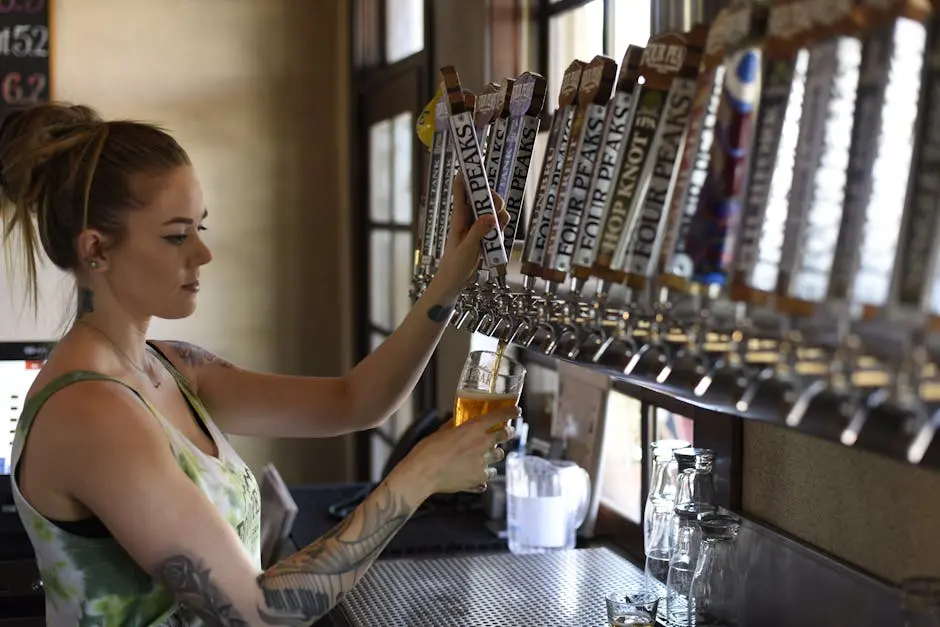
Walking into a local brewery often feels like stepping into a friend’s living room. The atmosphere is typically warm and inviting, making it easy to strike up a conversation with fellow patrons. Many breweries host events, such as trivia nights, live music, and art shows, creating a vibrant social scene that draws in crowds of diverse backgrounds. These gatherings not only support the brewery but also nurture local culture and artistry.
Furthermore, many craft breweries are dedicated to sustainability and giving back to their local communities. They implement eco-friendly practices, such as using renewable energy sources and recycling spent grains to help local farmers. This commitment to the environment reinforces the idea that supporting local breweries goes beyond just enjoying craft beer; it’s about investing in a healthier planet and community. Some even partner with charitable organizations, creating initiatives that support important causes close to home.
As we celebrate the role of local breweries, it’s essential to acknowledge the pride they take in their craft. With every new brew released, there’s often a story connected to the community, whether it’s a seasonal beer crafted from locally sourced ingredients or a collaboration with another local business. These narratives add depth and meaning to each pint, inviting drinkers to savor not only the flavor but the heart behind every creation.
Pairing Local Craft Beer with Food
Pairing craft beer with food can elevate both the meal and the drink. In this section, we’ll delve into some delicious pairings that highlight the flavors of craft beer, making your dining experience even more enjoyable.
When it comes to food pairings, think beyond the traditional. For instance, a hearty stout can beautifully complement a rich chocolate dessert, creating a luscious experience for your taste buds. The coffee and caramel notes in the stout accentuate the sweetness without overpowering it, making each mouthful a delightful exploration of flavors. Similarly, IPAs, with their hoppy bitterness, pair wonderfully with spicy dishes, cutting through the heat and enhancing the overall experience.
But there’s more! Ever tried a fruity wheat beer with a fresh salad? The vibrant citrus notes can transform a simple dish into a refreshing meal. Craft brewers are now experimenting with various ingredients, such as hibiscus or ginger, which can add unexpected twists to conventional pairings, inviting diners to rethink what they know about beer and food compatibility. The beauty lies in the adventure of trying new combinations, so don’t hesitate to experiment yourself!
Lastly, engaging in beer and food pairings at local breweries can further enhance the experience. Many have their own restaurants or collaborate with local chefs, creating unique menus that feature dishes specifically crafted to complement their beers. By participating in food pairing events, you also get the chance to learn directly from the experts — the brewers and chefs themselves — who can share their insights into how flavors intertwine.
The Future of Craft Beer: Trends to Watch
Craft beer is continually evolving. This section will look at upcoming trends, such as collaborations between breweries, sustainability practices, and the growing interest in non-alcoholic craft options, showcasing the innovative spirit of the craft beer community.
One exciting trend is the rise of collaborative brewing, where brewers from different backgrounds come together to create unique beers that reflect their combined expertise. These collaborations often result in one-of-a-kind brews, showcasing experimental techniques and unusual ingredients. It is a testament to the community spirit that defines the craft beer movement, wherein sharing knowledge and skills leads to exhilarating discoveries.
As sustainability becomes more crucial across various industries, the craft beer community is leading the charge with innovative practices. Breweries are looking for ways to reduce waste, recycle materials, and partner with local farmers to incorporate sustainable sourcing. Some breweries even use upcycled ingredients to create their beers, proving that great taste doesn’t have to come at the expense of the environment. This shift not only benefits the planet but also resonates with consumers who care about the impact of their choices.
Additionally, the popularity of non-alcoholic craft beers is on the rise. As more people seek healthier lifestyles, breweries are stepping up to offer flavorful alternatives that don’t compromise on taste. With advancements in brewing techniques, these non-alcoholic options are becoming increasingly sophisticated, ensuring that everyone can enjoy a delicious craft beer experience, regardless of their alcohol preferences. This trend signifies not only a growing market but also a welcoming change in how we perceive craft beer.
Cheers to Local Craft Beer!
As you’ve seen, the rise of craft beer isn’t just about unique flavors; it’s a celebration of community, creativity, and tradition. So, the next time you grab a cold one from a local brewery, remember that you’re enjoying much more than just a drink. You’re participating in a movement that honors local resources and brings people together.